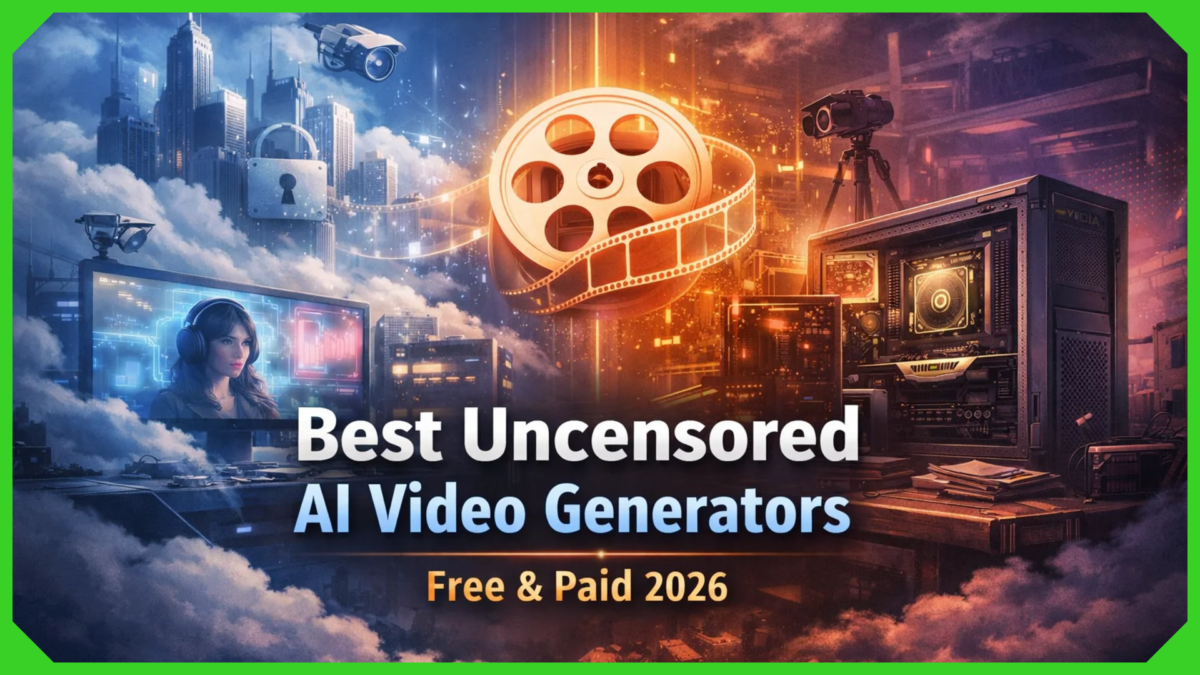

The rapid growth of artificial intelligence has transformed the way digital content is created. Among the latest developments, the uncensored AI video generator has become a widely discussed topic across technology, media, and creative industries. These tools allow users to generate videos from text prompts, images, or existing footage with fewer content restrictions than traditional AI platforms.
As AI-powered video creation becomes more accessible, individuals and businesses are exploring its potential for storytelling, marketing, education, entertainment, and creative experimentation. However, alongside the opportunities come important questions about ethics, privacy, legality, and responsible use.
This article explores what an uncensored AI video generator is, how it works, its advantages, challenges, and the future of this evolving technology.
What Is an Uncensored AI Video Generator?
An uncensored AI video generator is a software platform that uses artificial intelligence to create video content based on user inputs while applying fewer content limitations compared to heavily moderated AI systems.
Traditional AI video generators often include strict content policies that restrict certain types of visual outputs. Uncensored platforms generally offer broader creative freedom, allowing users to experiment with a wider range of concepts, styles, and scenarios.
These systems typically rely on advanced machine learning models trained on large datasets of videos, images, text, and audio. By understanding patterns within that data, the AI can generate realistic scenes, animations, character movements, and visual effects based on simple instructions.
The primary goal of these tools is to reduce the technical barriers associated with video production while enabling creators to transform ideas into visual content quickly.
How AI Video Generation Works
Behind every AI-generated video is a combination of sophisticated technologies working together.
Modern video generation systems analyze written prompts and convert them into visual sequences. The AI interprets language, identifies objects, actions, environments, and styles, and then creates frames that match the user’s request.
Many platforms also include image-to-video capabilities. Users can upload a single image and instruct the system to animate facial expressions, body movements, environmental effects, or camera motion.
Another important component is audio integration. Advanced tools can generate realistic voices, synchronize lip movements, and create natural conversations between virtual characters.
As computing power continues to improve, AI-generated videos are becoming more realistic, detailed, and visually appealing than ever before.
Why These Tools Are Gaining Attention
The popularity of AI video generation is driven by several factors.
First, traditional video production requires significant time, technical expertise, and financial investment. Creating professional-quality videos often involves cameras, lighting equipment, editing software, actors, and production teams.
AI dramatically reduces these requirements. A creator can generate a video within minutes by entering a text description.
Second, businesses increasingly rely on video content for marketing and communication. Social media platforms prioritize video engagement, encouraging brands to produce content more frequently.
Third, creators appreciate the ability to test ideas rapidly. Instead of spending days producing a concept video, AI can generate multiple versions within a short period.
These advantages have contributed to the growing interest in uncensored AI video generator platforms across various industries.
Key Features of Uncensored AI Video Generators
Modern AI video tools include a wide range of features designed to simplify content creation.
One of the most valuable capabilities is text-to-video generation. Users describe a scene, and the AI transforms that description into a visual sequence. This feature is particularly useful for brainstorming concepts and producing quick visual drafts.
Another major feature is image animation. Static photographs can be converted into dynamic videos with movement, facial expressions, and environmental effects.
Many platforms also support AI avatars, enabling users to create virtual presenters, narrators, or digital characters. These avatars can speak multiple languages and deliver scripted content naturally.
Voice generation has become increasingly sophisticated. AI systems can create realistic speech patterns, emotional tones, and synchronized lip movements that closely resemble human communication.
Additionally, users often gain access to editing tools that allow them to modify scenes, adjust visual styles, enhance resolution, and improve overall video quality.
Benefits of Using an Uncensored AI Video Generator
One of the strongest advantages is creative flexibility.
Content creators frequently encounter limitations when using traditional platforms that restrict certain artistic concepts. Uncensored systems often provide greater freedom to explore unique ideas and experimental storytelling techniques.
Another benefit is efficiency. AI-generated videos can significantly reduce production timelines. Projects that previously required weeks of work can sometimes be completed within hours.
Cost reduction is equally important. Small businesses, independent creators, and startups often lack large production budgets. AI tools provide access to advanced video creation capabilities without the expenses associated with traditional production.
Scalability is another advantage. Organizations can produce multiple videos simultaneously for different audiences, languages, or marketing campaigns.
The accessibility of these platforms also encourages innovation. Individuals without professional editing skills can create visually engaging content using simple instructions and intuitive interfaces.
Popular Applications
The applications of AI video generation continue to expand.
Marketing teams use AI-generated videos to create advertisements, promotional campaigns, and social media content. The ability to quickly produce visual assets helps brands remain competitive in fast-moving digital environments.
Educational institutions and trainers use AI-generated content to develop tutorials, presentations, and learning materials. Visual explanations often improve engagement and information retention.
Entertainment creators are also embracing AI technology. Independent filmmakers, animators, and digital artists can experiment with concepts that would otherwise require significant budgets.
Gaming communities use AI-generated videos for trailers, character introductions, cinematic scenes, and storytelling projects.
Businesses frequently utilize AI avatars for customer support, onboarding processes, product demonstrations, and internal communications.
As technology evolves, new use cases continue to emerge across industries.
| Feature | Details |
|---|---|
| Topic | Uncensored AI Video Generator |
| Category | Artificial Intelligence |
| Purpose | AI-Powered Video Creation |
| Main Technology | Machine Learning & Generative AI |
| Input Types | Text, Images, Audio |
| Output | AI-Generated Videos |
| Key Benefit | Faster Content Production |
| Cost Advantage | Reduced Production Expenses |
| Popular Users | Creators, Marketers, Businesses |
| Major Concern | Ethical and Privacy Risks |
| Legal Focus | Copyright and Compliance |
| Future Outlook | Growing Adoption Across Industries |
Ethical Considerations
While the opportunities are significant, ethical concerns remain an important topic of discussion.
The ability to generate highly realistic videos raises questions about authenticity and trust. Viewers may struggle to distinguish between genuine footage and AI-generated content.
Deepfake technology has highlighted the risks associated with synthetic media. Misleading videos can potentially damage reputations, spread misinformation, or manipulate public opinion.
Privacy concerns also deserve attention. Using a person’s likeness, voice, or identity without consent can lead to serious ethical and legal consequences.
Responsible creators understand the importance of transparency when publishing AI-generated content. Clearly identifying synthetic media helps maintain audience trust and encourages ethical practices.
Legal Challenges
The legal landscape surrounding AI-generated videos continues to evolve.
Copyright ownership remains one of the most debated issues. Questions often arise regarding who owns content generated by artificial intelligence—the user, the platform, or the developers behind the technology.
Intellectual property concerns become even more complex when AI systems are trained using large datasets that may contain copyrighted materials.
Different countries are introducing regulations designed to address AI-generated content, privacy rights, and misinformation risks. Businesses and creators must stay informed about applicable laws within their regions.
Failure to comply with legal requirements can result in penalties, disputes, and reputational damage.
Understanding these legal considerations is essential for anyone using an uncensored AI video generator professionally.